TikTok Hook Examples
Stella writes SwipeStory guides about AI faceless video creation, short-form video strategy, creator tools, and automated publishing workflows.
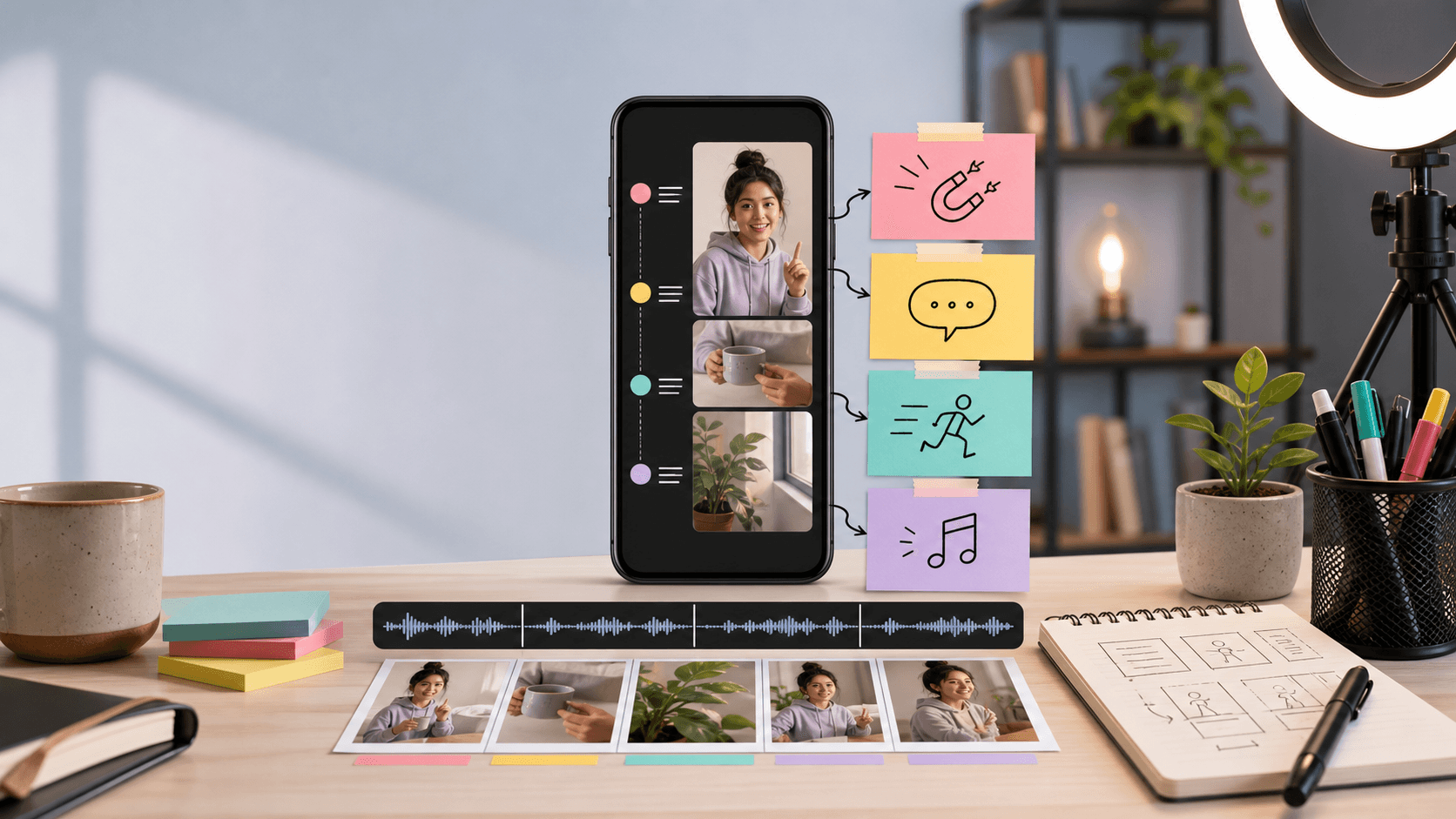
The best TikTok hook examples do one job fast: they make the viewer feel there is a payoff worth waiting for. That payoff can be a mistake reveal, a promised result, a story twist, a demo, or a strong opinion. If you want the fastest route from hook idea to finished draft, build the opener first and then turn it into a vertical script by using SwipeStory's AI TikTok video generator.
Most creators do not actually need "more content ideas." They need better opening angles. A weak opening makes the rest of the video irrelevant. A strong opening gives the body of the video permission to exist. This guide focuses on hook structure, not generic motivation.
Quick Answer
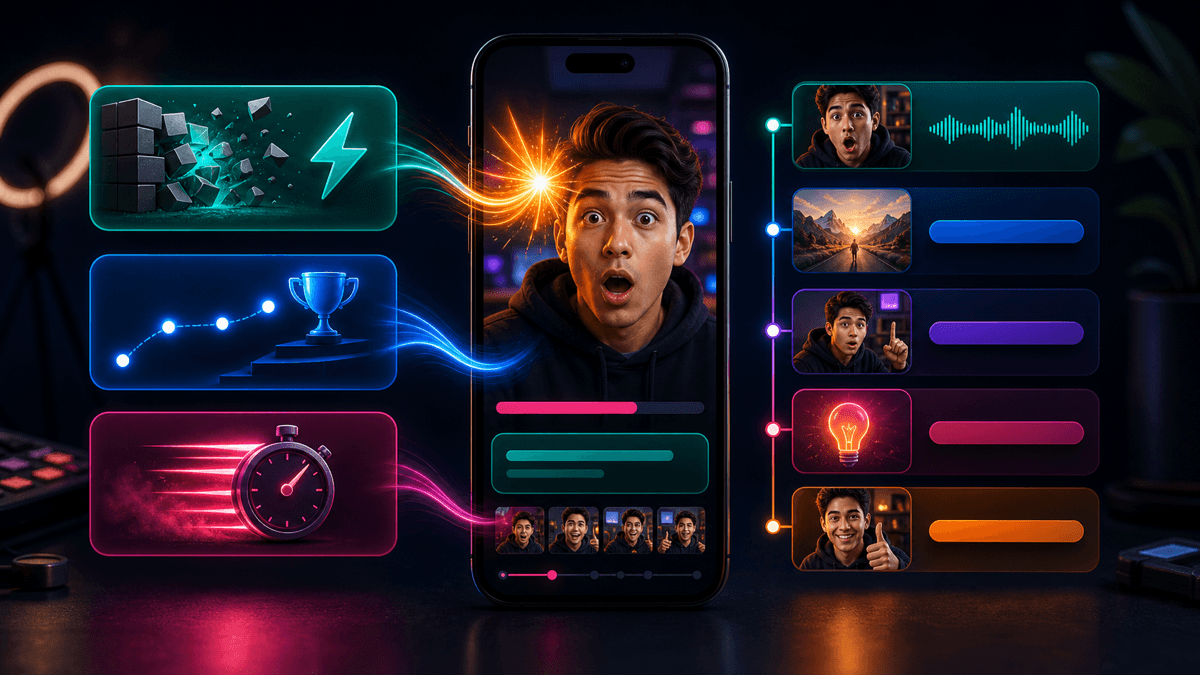
The safest TikTok hook formula in 2026 is:
- Open with tension, surprise, or a promised result.
- Clarify what the viewer will get if they keep watching.
- Move into proof or payoff immediately.
That structure matches what TikTok itself describes in its Creative Codes guidance: hook, body, close. It also fits faceless content especially well because your first line and first visual do most of the retention work.
If you are also scripting for YouTube, pair this article with our YouTube Shorts script templates guide. If you want the full end-to-end workflow, read how to make faceless videos with AI.
What TikTok Itself Says About Hooks
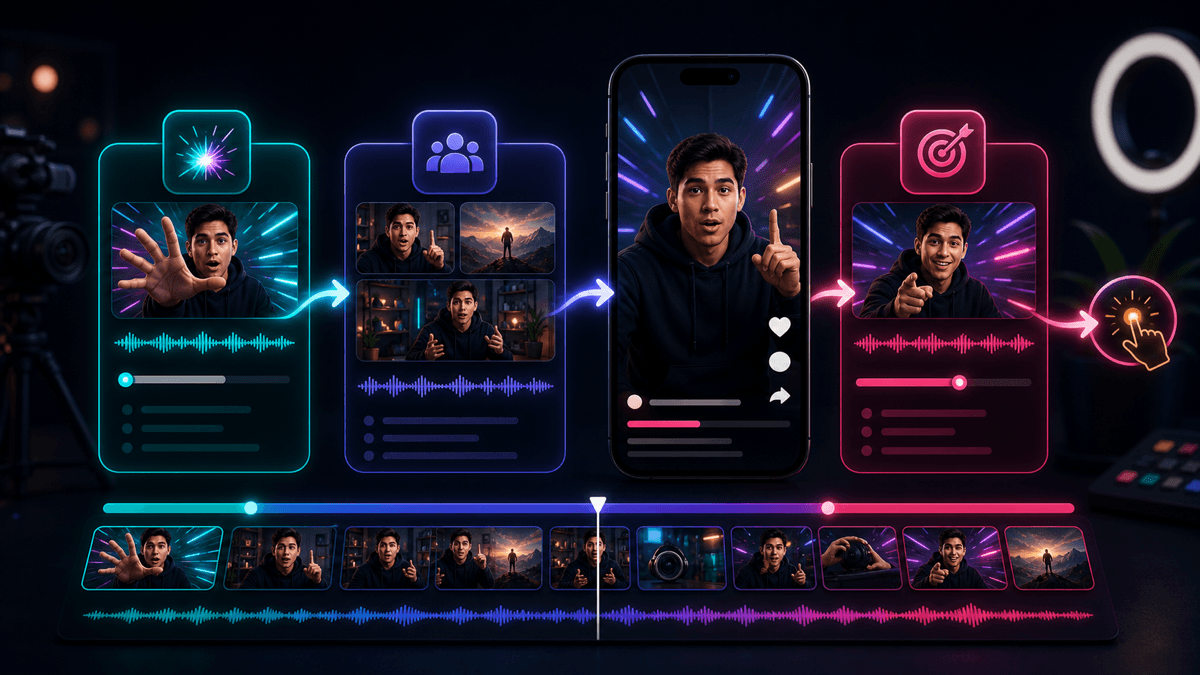
TikTok for Business keeps the guidance simple on purpose. On the Creative Codes page, TikTok says the best TikTok videos follow a reliable structure: hook, body, close. It also defines the hook as the part that grabs attention with suspense, surprise, or emotion. Use that as a filter for every idea on this page: if the first line does not create tension or promise a result, it is probably not a hook yet.
TikTok's Creative Codes page also repeats a production rule that affects hook design: shoot vertical in 9:16, use high-resolution footage, and leave room for the TikTok UI. That means your opening line should be short enough to read quickly and placed where interface overlays will not hide the important words.
One important nuance: several of TikTok's research tools are based on ad data, not pure organic posts. That does not make them useless for creators. It just means you should treat them as inspiration for phrasing, pacing, and opening patterns rather than as a guaranteed organic growth map.
How to Research Better Hooks With TikTok Creative Center
If you want hooks that fit your niche instead of random listicles, TikTok's own Creative Center is the fastest starting point.
According to TikTok's official help pages:
- Top Ads lets you inspect high-performing creatives and see a second-by-second, frame-by-frame graph to find the strongest engagement moment.
- Keyword Insights highlights top keywords and phrases from TikTok ads, filterable by region and industry.
- Creative Insights surfaces creative patterns, visuals, selling points, and best-practice cards based on research and data.
Use this research loop:
- Open Creative Center and filter for your region and category.
- Review winning ad openings in Top Ads.
- Pull repeating phrases from Keyword Insights.
- Cross-check recurring angles in Creative Insights.
- Rewrite the pattern in your own voice and example set.
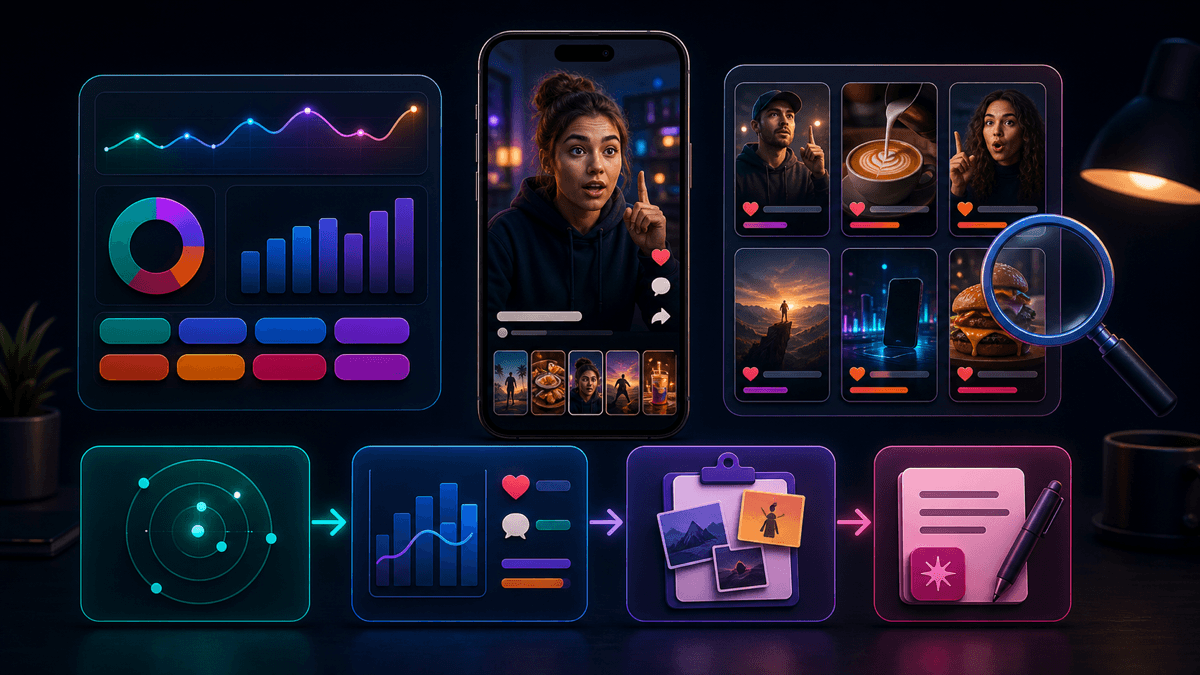
This research-first approach is better than copying hooks from competitors word for word. It helps you lift the pattern instead of stealing the line. That is the safer, more repeatable skill.
30 TikTok Hook Examples You Can Adapt
Below are 30 TikTok hook examples grouped by the job they are designed to do. Do not publish them word for word. Replace the niche, promise, and proof with your own specific example.
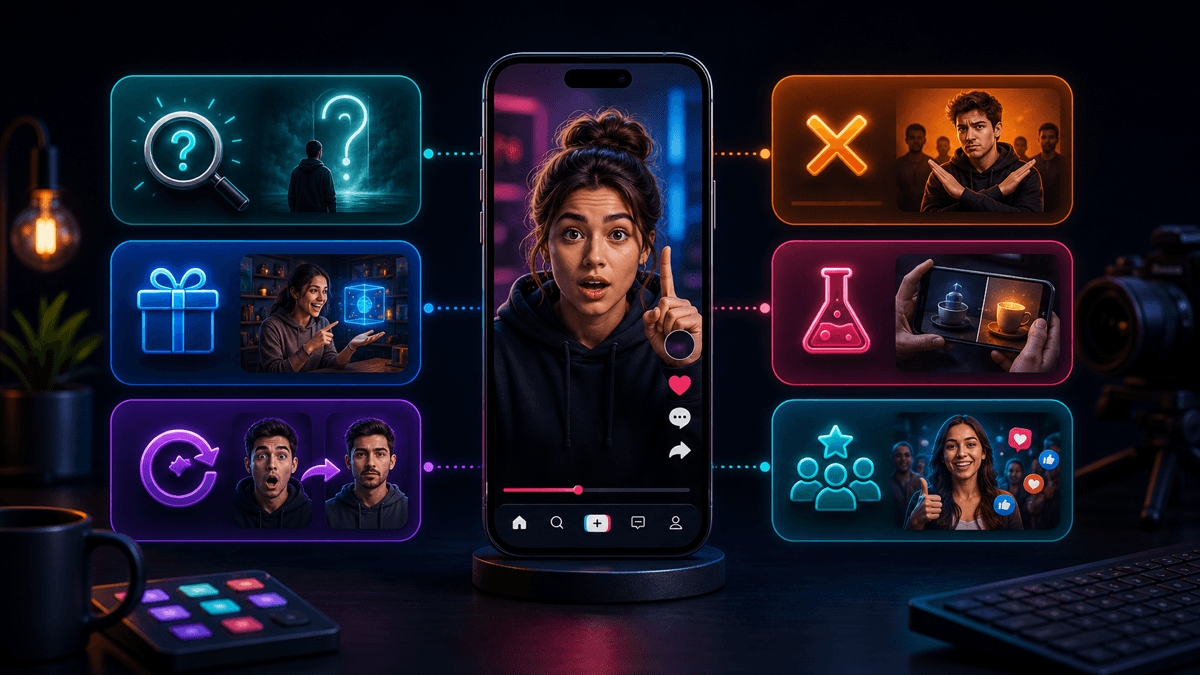
Curiosity Hooks
- "Nobody tells you this part about growing on TikTok."
- "I thought this video was failing until I noticed one tiny pattern."
- "This is the reason your views die after the first few seconds."
- "The weirdest part of this strategy is the part that works."
- "Most people miss this signal completely."
Best for: creator education, side hustle explainers, marketing tips, productivity.
Benefit-First Hooks
- "Do this if you want your TikToks to feel instantly clearer."
- "Here is the fastest way to make faceless videos without editing everything by hand."
- "Use this if you want more watch time from the same topic."
- "If you want easier batch content, start here."
- "This one change makes short videos easier to finish."
Best for: tutorials, software workflows, AI tool demos, educational creators.
Story-Turn Hooks
- "This started like a normal upload, then the comments went wild."
- "I almost scrapped this idea until one clip changed the whole video."
- "The first version flopped, but the second opening fixed everything."
- "I tested two hooks on the same topic and the loser was obvious in minutes."
- "At first I thought the script was the issue, but it was not."
Best for: faceless storytelling, case studies, Reddit-style story channels, creator lessons.
Contrarian Hooks
- "The usual TikTok advice is exactly why your opening feels boring."
- "You do not need a better niche. You need a better first sentence."
- "Stop trying to sound viral. Start trying to sound specific."
- "Longer setup is not 'storytelling.' Most of the time it is just delay."
- "The hook is not clickbait if the payoff arrives fast."
Best for: opinion content, commentary, educational creators, media analysis.
Proof-and-Demo Hooks
- "Watch how this weak hook turns into a stronger one."
- "Here is what happened when I cut the intro in half."
- "This before-and-after is why I rewrite openings first."
- "You can hear the retention problem in the first line."
- "Look at the difference between vague and specific."
Best for: editing demos, product explainers, UGC style clips, AI workflow content.
Social-Proof Hooks
- "This is the opening format I keep coming back to for batch content."
- "Creators keep overcomplicating hooks when this simple angle works."
- "The most useful hooks usually sound less clever and more direct."
- "This pattern keeps showing up in strong short-form creative."
- "If you make educational TikToks, test this opening style this week."
Best for: creator advice, service businesses, coaches, agencies, educational brands.
12 More Niche-Specific TikTok Hook Examples
If you want more targeted starting points, use one of these niche-specific versions:
| Niche | Hook example |
|---|---|
| AI tools | "I used one prompt to build this whole short video draft." |
| Faceless history | "This tiny decision changed the course of the whole story." |
| Fitness | "Do this instead of the version everyone copies wrong." |
| Skincare | "This is why your routine still feels like guesswork." |
| Finance | "Most people save money the slow way. This is faster." |
| Real estate | "The first thing buyers notice is usually not what you think." |
| Ecommerce | "This product angle works better when you show the problem first." |
| SaaS | "This feature sounds small until you watch what it fixes." |
| Food | "The best part of this recipe happens before the first bite." |
| Motivation | "You do not need more discipline for this. You need less friction." |
| Parenting | "This one shift made mornings easier almost immediately." |
| Study tips | "If your notes never turn into results, start here." |
Keep the structure and swap the specificity. For example, "This feature sounds small until you watch what it fixes" becomes much stronger when you name the exact feature and exact pain point.
Format Rules That Still Matter for Hooks
Hooks do not live in a vacuum. TikTok's current in-feed ad specification page, last updated in March 2026, still recommends vertical 9:16 creative at 540x960 or higher and notes that safe zones depend on caption length and additional formats. That same page also notes that ad captions display in a fixed white font and that up to four lines can be shown for Spark Ads pulled from organic captions.
The practical implication is straightforward: do not hide your strongest opening words under UI chrome, and do not turn the first frame into a paragraph.
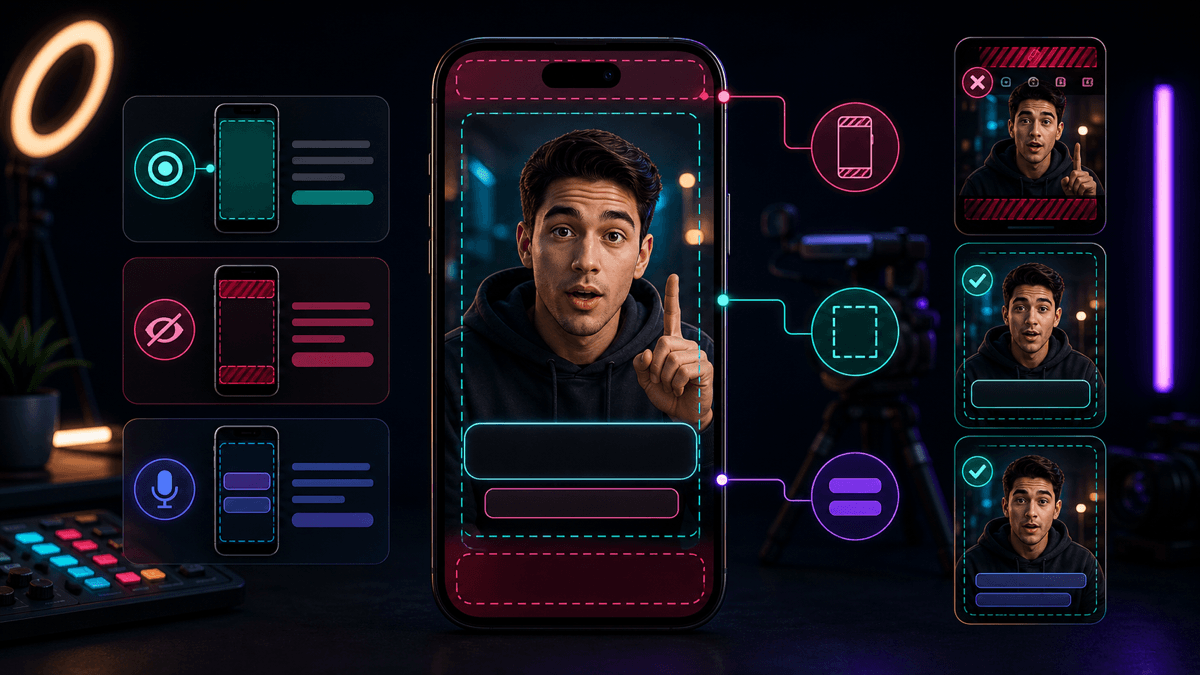
If you are turning hooks into automated faceless videos, those constraints matter even more because captions, visuals, and voiceover all compete for attention in the first beat.
How to Turn a Hook Into a Finished TikTok Faster
A hook alone is not content. It is just the front door. The repeatable workflow is:
- Pick one hook angle.
- Add a body that gives proof, steps, or a story turn.
- Close with one action.
- Turn each beat into its own scene.
- Tighten the first two scenes before changing anything else.
An end-to-end tool chain helps after the hook is clear. SwipeStory is useful when you already know the opening angle and want to move quickly from idea to finished draft. The public SwipeStory positioning across its tool pages is prompt or script to vertical video with AI-generated visuals, voiceover, captions, editing, rendering, and publishing across TikTok, YouTube Shorts, and Instagram Reels.
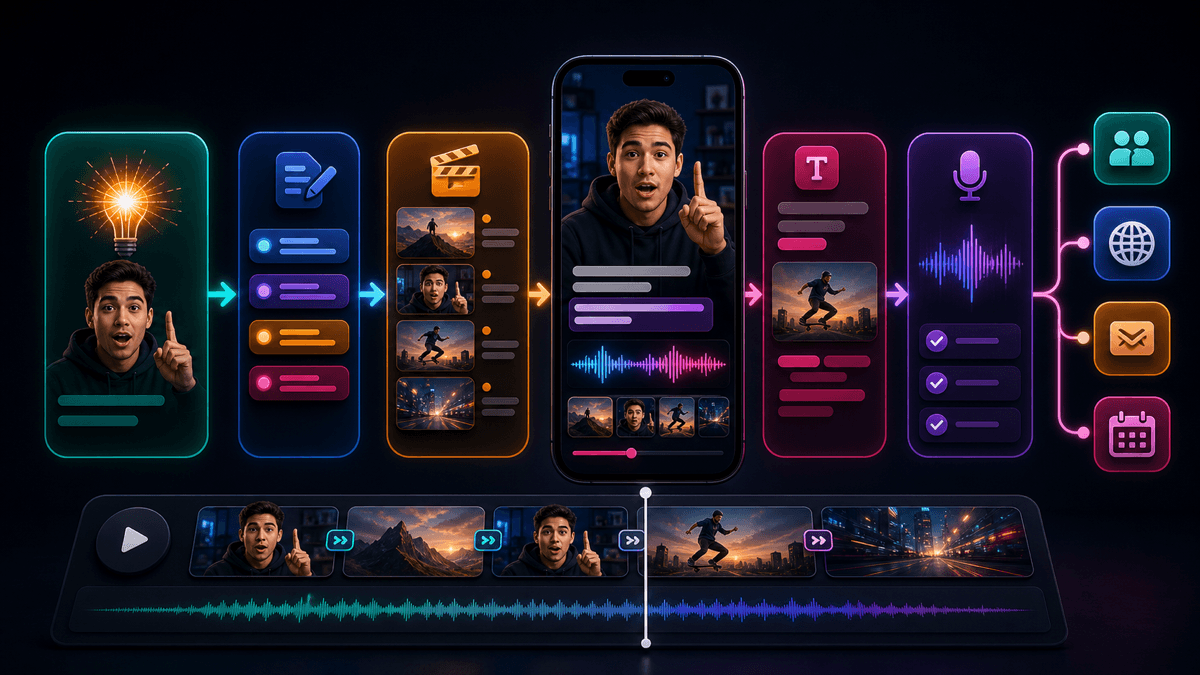
If you want to test that workflow now, start with SwipeStory's AI TikTok video generator, then check the pricing page if you need a higher-volume setup. If your content is cross-platform, the same hook can usually be adapted to YouTube Shorts and Instagram Reels with only light edits.
Common TikTok Hook Mistakes
1. Starting with context instead of tension
"Hey guys, today I want to talk about..." is usually dead on arrival. Start with the problem, result, or surprise instead.
2. Writing a hook that promises more than the body delivers
If the payoff is weak, the hook feels manipulative. Strong hooks earn attention. They do not steal it.
3. Using broad claims instead of specific language
"This strategy is amazing" is vague. "This one line fixed the weak part of my intro" is concrete.
4. Overstuffing the screen with text
Your first spoken line, on-screen caption, and visual subject should support the same idea. If they compete, the hook gets muddy.
5. Never testing alternate opening angles
You often do not need a new topic. You need two or three different openings for the same topic. That is the fastest way to learn what your audience responds to.
Final Take
The best TikTok hook examples are not the cleverest lines on the internet. They are the lines that make the next five seconds feel necessary. Use curiosity, benefit, story, proof, or a contrarian angle, then deliver quickly.
If you want the practical next step, pick three hooks from this page, rewrite them for one niche, and turn them into drafts with SwipeStory. You will learn more from three clean tests than from saving another hundred random hook screenshots.
Frequently Asked Questions
How long should a TikTok hook be?
Usually one sentence or one tightly cut visual beat. The goal is not length. The goal is clarity and tension.
Can I use ad-based TikTok Creative Center data for organic content?
Yes, but carefully. TikTok says Top Ads, Keyword Insights, and Creative Insights are based on ads, not pure organic posts. Use them to spot phrasing and structure patterns, then adapt them to your own audience and content format.
Are TikTok hooks different from YouTube Shorts hooks?
The structure is similar, but TikTok hooks usually benefit from feeling slightly more immediate and pattern-breaking. Shorts often tolerate a little more explanatory setup if the promise is strong.
What is the fastest way to test hooks at scale?
Write multiple openings for the same topic and keep the body mostly constant. That isolates the variable that changed. Tools like SwipeStory help because you can turn those alternate openings into full drafts quickly instead of editing each version by hand.